
Cannabis Social Club Las Palmas de Gran Canaria: A Neighbourhood Guide
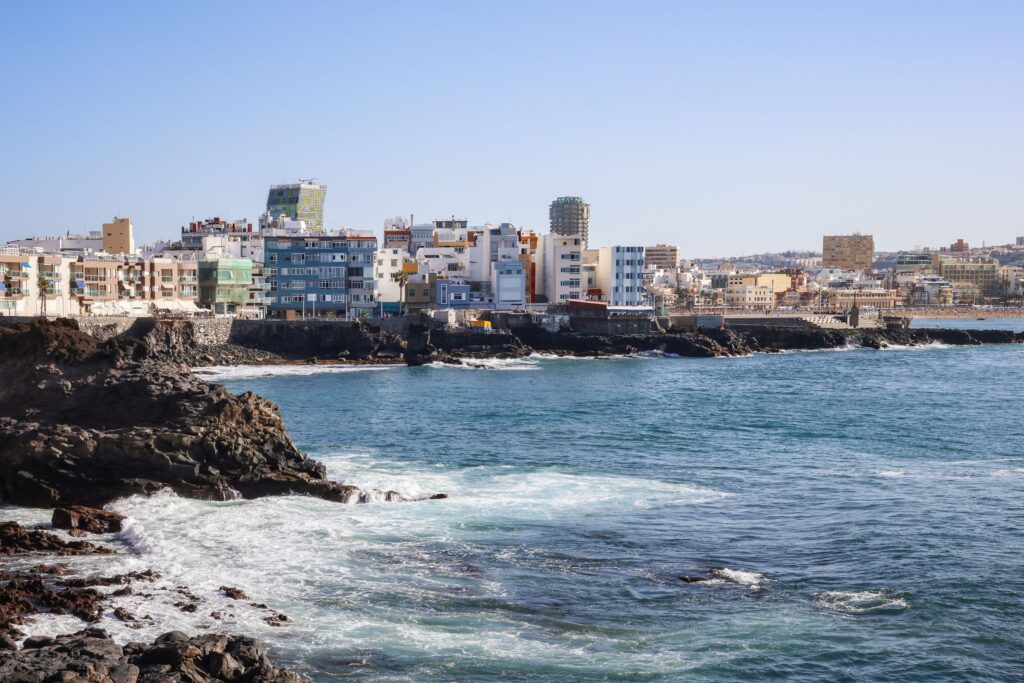
A cannabis social club Las Palmas de Gran Canaria visitors can actually reach on foot or by bus is easier to find than almost anywhere else in the Canary Islands. The capital carries the island’s biggest concentration of clubs, spread across a handful of distinct neighbourhoods rather than one obvious strip — which makes knowing where to look more useful than knowing how many there are.
Cannabis Social Club Las Palmas: Membership, Not a Shop Counter
Every club in the capital runs on the same private-association model used across Spain — registered as an Asociación Cannábica, or club cannábico — full background in our cannabis law guide. In short, to join you’ll need to:
- Be 18 or older (check each club’s specific minimum)
- Carry valid ID or a passport
- Get a referral from an existing member, or submit an application directly
- Wait for the club’s approval before visiting — this isn’t instant or guaranteed
Confirmed Visits with Green-Key
With this many clubs concentrated in one city, choosing which neighbourhood to apply to can matter more than whether you’ll get in at all. The Green-Key Cannabis Club Membership Pass confirms your visit with partner clubs across the capital before you arrive, so a slow or rejected application doesn’t cost you a day of a short trip.
Club Etiquette
- No photography inside without asking first
- Don’t buy on behalf of non-members — it’s against the association’s own rules
- Expect a member allocation limit rather than unrestricted access
- Cash is the safest payment method to bring
Getting Around the Capital
Las Palmas is a long, narrow city that follows the coast, and most of its club neighbourhoods sit within a few kilometres of each other. Guaguas Municipales runs the city’s local bus network and connects the northern neighbourhoods (Santa Catalina, La Isleta, Guanarteme) to the historic centre (Vegueta, Triana) and on to Mesa y López in a single ride. Several of these areas are also walkable from each other along the seafront if you don’t mind a 20–30 minute stroll, though a rental car still makes sense if you’re also planning day trips to the southern resorts.
Where to Look: Las Palmas’ Neighbourhoods
See the full Las Palmas de Gran Canaria cannabis social club directory, or head straight to one of the capital’s main club neighbourhoods:
- La Isleta — the old fishing quarter at the island’s northern tip, and the neighbourhood with the most clubs in the capital, including Keloke Cannabis Social Club and Tegridy Farms Cannabis Social Club
- Santa Catalina — the harbour and hotel district, popular with visitors staying near the cruise terminal, and home to the legal shops Greenery420 CBD Store and Natur Weed Home Grow Shop
- Guanarteme — the residential strip behind Las Canteras beach, a short walk from Santa Catalina, home to the legal Pura Sativa Grow Shop
- Vegueta — the old town, Las Palmas’ original historic centre, home to THC Med Cannabis Social Club
- Mesa y López — the commercial heart of the city, well connected by bus to every other neighbourhood on this list
- A handful of further clubs scattered elsewhere across the capital, including LPA Y Malos Cannabis Social Club near the Castillo Histórico
The interactive map covers current opening hours and ratings across every neighbourhood. If your trip also takes in the southern resorts, see our wider Gran Canaria guide for Maspalomas and Playa del Inglés. Background on the city itself is on Wikipedia.
Arriving in Las Palmas
Gran Canaria Airport (LPA) sits near Telde, roughly 20–25 minutes from the capital by car via the GC-1 motorway, and there’s a direct express bus into the city centre if you’re not renting a car. Since the club neighbourhoods are spread along the coast rather than clustered around a single point, it’s worth deciding which end of the city — north near Santa Catalina and La Isleta, or south towards Vegueta and Mesa y López — you’ll base yourself in before booking accommodation. Either way, a pre-booked private transfer can drop you directly at your hotel rather than at the express bus’s fixed stops.
Where to Stay
As a real working capital rather than a resort town, Las Palmas has a much wider accommodation spread than the south of the island — business hotels, boutique stays, and a genuine range of budgets, most of it clustered around Las Canteras beach. That puts you within reach of clubs across several of the neighbourhoods above. Compare current hotels in Las Palmas before you book.
FAQ
Which Las Palmas neighbourhood has the most cannabis social clubs?
La Isleta, the old fishing quarter at the northern tip of the city, has the highest concentration — though Santa Catalina, Guanarteme, Vegueta and Mesa y López all have active clubs too.
Is Las Palmas better for clubs than the southern resorts?
Different, not necessarily better — the capital has more clubs and more neighbourhood variety, while Maspalomas and Playa del Inglés suit visitors staying in the southern resort areas. See our Gran Canaria guide if you’re deciding between the two.
Can I walk between club neighbourhoods in Las Palmas?
Some — Santa Catalina and Guanarteme are a short walk apart along Las Canteras beach — but Vegueta and Mesa y López are far enough south that the local bus network is more practical for a same-day visit to both ends of the city.
How far is Las Palmas from Gran Canaria Airport?
About 20–25 minutes by car or express bus, making the capital an easy base even if you’re only in Gran Canaria for a short stay. A pre-booked private transfer is a comfortable alternative to the express bus if you land with luggage.
What currency and language should I expect?
Euros are standard, and while Spanish is the local language, Las Palmas’ tourist areas near Santa Catalina and the harbour have enough international visitors that English is widely understood at most clubs — Italian is especially common here thanks to strong ferry and cruise links with mainland Italy, alongside German and French.
Will my phone work in Las Palmas?
EU visitors are usually covered under roam-like-at-home rules. UK and non-EU travellers — including anyone arriving via the ferry links from Italy or the mainland — should expect real roaming charges without a local plan. A Yesim eSIM is a straightforward way to stay connected across the whole city.