
Is This Europe’s Future in 2026?
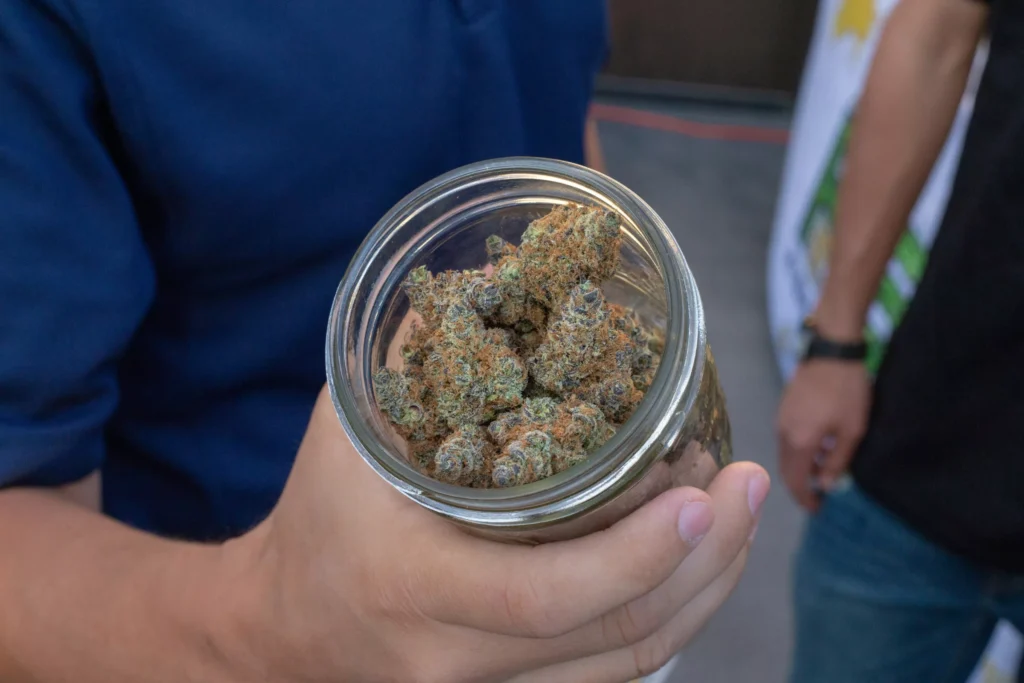
Why are Europe’s emerging markets excluding flower?
Martinez argues that the shift away from flower is a natural evolution in a market focused purely on cannabis as a medicine, helping grease the wheels of integration into existing healthcare models.
“Both France and Spain have launched highly restrictive, hospital-oriented programmes,” he explained. “In that setting, excluding flower is a cautious choice. Flower introduces variability in dosing and administration that can be difficult to reconcile with pharmaceutical norms.
“Standardised formats – oils, capsules, or device-delivered extracts – are easier for clinicians to prescribe, monitor, and integrate into existing clinical workflows.”
Spain’s detailed preparation instructions, standardised cannabinoid concentrations and strict dosage requirements illustrate this focus on pharmaceutical consistency, which is far harder to achieve with dried flower where cannabinoid content can vary from batch to batch and can be influenced by a myriad of factors.

“France, for example, is entering 2026 in a transitional phase from a pilot program to a permanent system,” he continued.
“It’s a tightly controlled environment aligned with pharmaceutical standards, focused on consistency and clinical oversight rather than rapid scale. In that context, regulators tend to prioritise formats that look and behave like conventional medicines: standardised preparations, controlled dosing, and delivery systems that fit within existing hospital and pharmacy models.”
“That naturally drives interest in alternative formats, and it’s where Curaleaf has been leading. We were first to market with cannabis pastilles in the UK, and we’ve introduced Europe’s first CE-certified medical inhalation device, with more form factors coming.”
The ‘perception issue’
While dried flower remains dominant in almost every established medical cannabis market, these products are often lifted directly from recreational markets like Canada and the US, carrying the same names and branding, and with them the lingering stigma.
This association is seeing politicians, medical professionals, and even patients become increasingly uncomfortable with its use as an everyday treatment.
“Perception matters. In many countries, an inhaled cannabis flower still carries the stigma of recreational use. Martinez acknowledged.
“A medical-grade device helps draw a clear line between therapeutic use and that legacy stoner image. When a patient uses a rigorously tested vaporiser or liquid inhaler, it looks and feels more like a legitimate medical treatment.”
Australia, Germany, and the UK all face ongoing challenges managing the perception that their medical cannabis programmes serve as de facto recreational access, particularly given flower’s dominance.
As we’ve discussed previously in coverage of the incoming French market, by opting for a more pharmaceutically focused market from the get-go, this dynamic can be largely avoided.
“This distinction is often what allows medical cannabis frameworks to gain political acceptance in the first place. So yes, the devices solve a clinical need for precision and safety, but they also solve a perception problem by signalling that we’re not just handing out joints to patients. In doing so, they give regulators and clinicians confidence that cannabis can be administered in a ‘doctor-friendly’ and socially acceptable way.
“In early-stage medical programs, regulators are keen to avoid anything that looks recreational. Inhaled flower still carries that association in many countries. Starting with non-flower products allows policymakers to frame these systems as strictly medical and build legitimacy before potentially broadening access.”
With this in mind, however, Martinez suggests that ‘regulatory change doesn’t eliminate underlying patient need, and demand doesn’t disappear by decree’.
As such, these incoming frameworks will ‘test’ whether alternative treatment forms ‘truly meet patient need’, or whether they prove to be merely a ‘marginal solution for a narrow group of patients’.
“In other words, the approach is understandable for a cautious rollout, but its practicality and inclusivity will need to prove themselves over time.”
While patient demand for flower, a familiar and reliable form of treatment, remains dominant in the majority of medical cannabis markets, its becoming increasingly clear that pharmaceutical-grade delivery devices will define the next phase of European market growth.
In the second part of this series, we’ll examine the technical requirements behind CE-certified medical devices, the clinical case for liquid inhalation, and what Curaleaf’s multi-year device investment says about the direction of Europe’s market.